

GSAP Animation for Business Websites is no longer a design trend, it is a strategic growth tool. In 2026, brands that combine performance-first animation with conversion psychology are outperforming static competitors in engagement, retention, and revenue.
Most business owners invest in:
- Paid ads
- SEO
- Funnels
- Automation
- Email marketing
But they ignore the one thing that silently kills revenue:
Poor user experience and lifeless interfaces.
If your WooCommerce store loads statically…
If your service page doesn’t guide attention…
If your product sections feel flat…
You’re leaking conversions every single day.
This is where GSAP animation becomes a strategic business tool , not a design gimmick.
In this guide, I’ll show you:
- How GSAP for business websites drives measurable ROI
- How to use animation for conversion rate optimization
- Why performance-first animation is critical for Core Web Vitals 2026
- Real revenue scenarios from eCommerce, automotive, electronics & service brands
- A practical implementation roadmap for GSAP WordPress & WooCommerce
This is not theory.
This is revenue-focused engineering.
What Is GSAP (And Why It’s Different in 2026)?
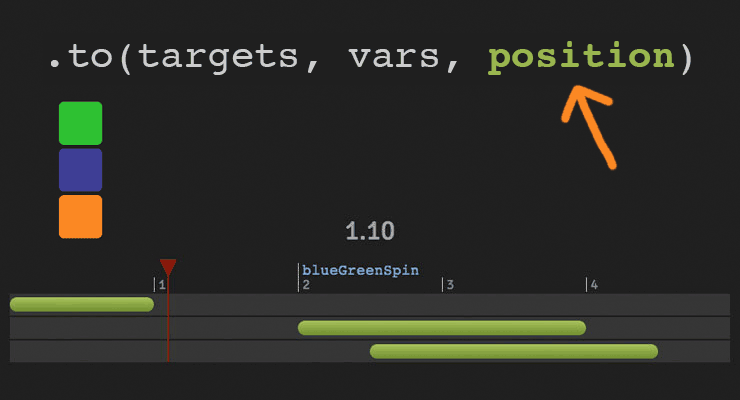

GSAP (GreenSock Animation Platform) is a high-performance JavaScript animation engine used to create smooth, controlled, and optimized website animations.
But here’s what matters for business owners:
GSAP is the only animation system that gives you cinematic control without sacrificing performance.
In 2026, that balance is everything.
Unlike CSS-only animations or heavy visual builders:
- GSAP gives precise timeline control
- It reduces layout thrashing
- It optimizes GPU acceleration
- It integrates with scroll behavior intelligently
When implemented correctly, it becomes:
- A storytelling engine
- A user-guidance system
- A conversion accelerator
This is what I call:
High-Performance Website Animation
Not decorative motion.
Strategic motion.
Why 2026 Websites Must Be Performance-First
Google’s ranking systems in 2026 heavily prioritize:
- Interaction responsiveness
- Visual stability
- User engagement signals
- Core Web Vitals 2026 improvements
- Behavioral metrics
If your site:
- Jumps while loading
- Feels slow on mobile
- Lags during interaction
- Has heavy animation scripts
You lose both:
- Rankings
- Revenue
The New Rule in 2026
Animation must:
- Enhance UX
- Improve engagement
- Maintain performance
That’s why a performance-first animation strategy matters more than ever.
GSAP, when engineered properly, supports:
- Reduced main-thread blocking
- Controlled rendering
- Scroll-triggered lazy animation
- Micro-interaction performance optimization
Business Use Cases by Niche
Let’s break this down by real business categories.
1. eCommerce (WooCommerce Stores)
Problem:
- High bounce rate on product pages
- Static hero sections
- Low engagement on mobile
- Weak emotional trigger
GSAP Conversion Optimization Strategy:
- Animated hero storytelling
- ScrollTrigger product reveals
- Staggered feature highlights
- Micro-interaction cart feedback
- Section-by-section scroll focus
Revenue Scenario
Let’s say:
- Store traffic: 50,000/month
- Conversion rate: 1.8%
- Average order value: $120
Revenue:
50,000 × 1.8% × 120 = $108,000/month
If GSAP-driven UX increases conversion to 2.3%:
50,000 × 2.3% × 120 = $138,000/month
That’s $30,000 monthly increase from UX-driven revenue growth alone.
This is why WooCommerce animation optimization is not cosmetic, it’s strategic.
2. Automotive Websites
Automotive niches rely on:
- Visual impact
- Product comparison
- Feature emphasis
- Brand perception
GSAP Strategy:
- Scroll-driven car feature breakdown
- Interactive specification sections
- Parallax storytelling for premium positioning
- Staggered benefit animation
Impact:
- Higher time-on-page
- Increased quote requests
- Better brand perception
3. Electronics Stores
Electronics buyers need:
- Technical clarity
- Confidence
- Feature focus
GSAP allows:
- Step-by-step feature storytelling
- Visual breakdown of specs
- ScrollTrigger examples for product comparison
- Animated buying guides
Result:
- Reduced cognitive overload
- Higher product understanding
- Increased checkout completion
4. Service-Based Brands
Service websites often fail because:
- They talk too much
- They guide too little
With GSAP:
- Scroll-based section transitions
- Timeline storytelling
- Authority building through reveal effects
- Visual proof sequencing
It creates psychological flow.
That flow increases:
- Lead form submissions
- Call bookings
- Trust perception
5. SaaS Startups
SaaS in 2026 is hyper-competitive.
GSAP enables:
- Interactive feature walkthrough
- Scroll-controlled demo previews
- Onboarding simulation animations
- Conversion-focused CTA timing
SaaS growth depends on clarity.
Motion = clarity.
Business Owner Bottlenecks
Let’s be honest.
Most owners face:
- ❌ Slow page load
- ❌ High bounce rate
- ❌ Poor mobile UX
- ❌ Low engagement
- ❌ No storytelling structure
They invest in ads.
But don’t optimize experience.
That’s burning money.
How GSAP Solves These Bottlenecks
1. Slow Page Load
With proper implementation:
- Defer non-critical animations
- Use ScrollTrigger lazy execution
- Animate only when needed
2. High Bounce Rate
Motion guides attention.
Instead of overwhelming users:
- Reveal information progressively
- Highlight key value propositions
3. Poor Mobile UX
GSAP supports:
- Responsive timelines
- Breakpoint-based animation control
- Reduced motion strategies
4. Low Engagement
Micro-interactions increase:
- Click interaction
- Emotional response
- Perceived quality
5. No Storytelling
Timelines create narrative structure.
Users follow flow instead of scanning randomly.
Technical Breakdown (Business-Focused)
GSAP Timeline
Timelines allow:
- Controlled sequence animation
- Staggered storytelling
- CTA reveal timing
Example strategy:
- Headline fade in
- Subheading slide
- CTA button delay
- Social proof stagger
This increases visual hierarchy.
Stagger (Conversion Psychology Tool)
Stagger is powerful for:
- Feature lists
- Testimonials
- Product grid reveals
Psychological effect:
- Reduces overwhelm
- Improves cognitive digestion
ScrollTrigger Examples (Revenue Impact)
ScrollTrigger is game-changing.
It allows animation to trigger only when the section enters viewport.
Benefits:
- Performance efficiency
- Engagement boost
- Story-driven scrolling
Use cases:
- Product benefit breakdown
- Case study reveal
- Comparison table focus
- FAQ progressive disclosure
SEO + Animation Strategy Combined
Many developers make this mistake:
They add animation but ignore SEO.
In 2026:
Animation must support:
- Crawlability
- Content visibility
- Semantic HTML
- Accessibility
Best practices:
- Never hide content permanently
- Avoid CLS issues
- Maintain LCP optimization
- Respect reduced-motion preferences
- Optimize JS delivery
GSAP WordPress implementation must:
- Load conditionally
- Minify scripts
- Use defer/async properly
- Avoid blocking render
That’s how you protect Core Web Vitals 2026.
Common Mistakes Businesses Make
❌ Over-animation
❌ Heavy libraries stacked together
❌ No performance testing
❌ No mobile testing
❌ Animation without purpose
❌ Designer-led, not conversion-led implementation
Remember:
Animation must serve revenue, not ego.
Implementation Strategy in WordPress & WooCommerce
Here’s a practical roadmap:
Step 1: Audit
- Core Web Vitals check
- Mobile performance test
- UX bottleneck analysis
- Heatmap review
Step 2: Strategy Mapping
Define:
- Conversion points
- Story flow
- CTA placement
- Scroll behavior
Step 3: GSAP Integration
- Enqueue GSAP properly
- Use modular JS
- Avoid global script bloat
- Apply section-based triggers
Step 4: Performance Testing
- Lighthouse audit
- Real device test
- Interaction latency check
- CLS validation
Step 5: A/B Testing
Test:
- Static vs animated hero
- CTA reveal timing
- Feature stagger speed
- Scroll section pacing
Conversion rate optimization is data-driven.
2026 Trend Insights
The web in 2026 is evolving toward:
1. AI-Personalized UX
Animations adapting to:
- User behavior
- Scroll speed
- Engagement pattern
2. Immersive Interaction
Websites feel closer to apps.
GSAP enables:
- Scroll-driven product immersion
- Interactive narrative
3. Micro-Conversion Focus
Instead of only final sale:
- Engagement tracking
- Section completion rate
- Scroll depth interaction
UX-driven revenue growth is the future.
Performance Best Practices (Non-Negotiable)
- Animate transform & opacity only
- Avoid layout-triggering properties
- Use will-change wisely
- Limit simultaneous animations
- Test low-end mobile devices
- Use lazy loading for media
High-performance website animation is engineering, not decoration.
The Real ROI of GSAP for Business Websites
When implemented correctly:
You get:
- Higher engagement
- Increased time on page
- Lower bounce rate
- Improved conversion rate
- Stronger brand perception
When implemented poorly:
You get:
- Slower website
- Worse rankings
- Frustrated users
The difference is strategy.
Final Thoughts: Revenue-Driven Animation Is the 2026 Advantage
In 2026, websites that win are:
- Performance-first
- UX-focused
- Story-driven
- Conversion-engineered
GSAP animation is not about “cool effects.”
It’s about:
- Guiding attention
- Reducing friction
- Increasing clarity
- Boosting conversions
If you’re a business owner, eCommerce brand, automotive seller, electronics store, SaaS founder, or service provider using WordPress
You don’t need more plugins.
You need a strategic performance engineer who understands:
- WooCommerce
- Conversion psychology
- Core Web Vitals
- Animation systems
- Revenue growth
That’s where mahmudhaisan.com comes in.
I don’t build decorative websites.
I build:
- Revenue-focused WordPress systems
- High-performance GSAP WordPress implementations
- Conversion-optimized WooCommerce stores
- Business automation platforms
If you’re serious about scaling in 2026:
Let’s engineer your growth strategically, measurably, and profitably.
Leave a Reply